Home › Common Problems › Wood Fence Rotting at the Base
Wood Fence Rotting at the Base
in Coral Springs, FL
Wood fences rot at the base faster in Coral Springs than in most parts of the country. We get roughly 60 inches of rain per year, and the humidity stays high enough that wood never fully dries out between storms. Once rot sets into a post or board, it moves upward and outward, and what looks like one bad board is usually three or four bad boards by the time someone calls us.
Coral Springs Fence Pros helps Coral Springs, FL homeowners fix wood fence rotting at the base — call for a free inspection.
Quick Answer
Wood rot at the base of a fence happens when moisture sits against the wood for too long. Coral Springs gets heavy afternoon rain almost every day from June through September, and water pools against fence boards that were set too close to the soil. Replace rotted boards and posts with pressure-treated lumber rated for ground contact. Don't wait — rot spreads to the next board faster than most people expect.
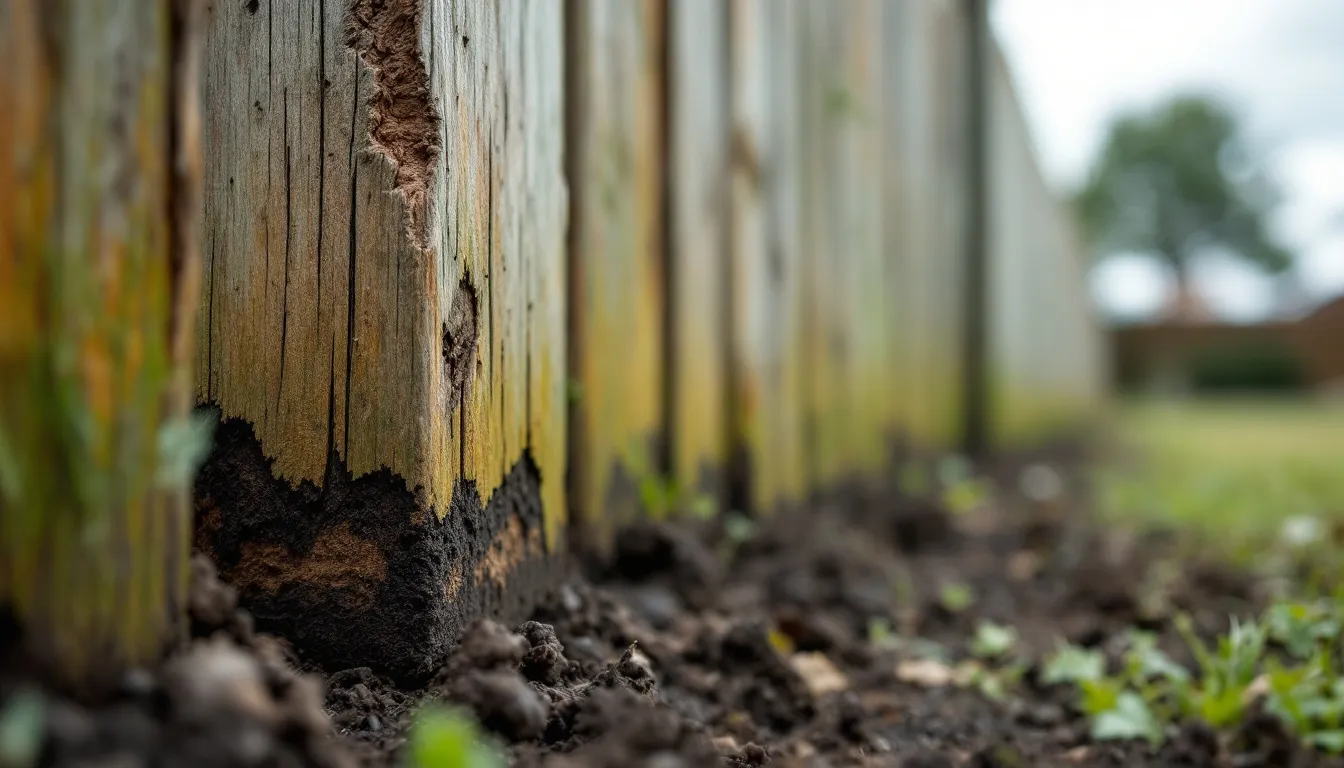
Telltale Signs
Warning Signs to Watch For
- Wood at the base of posts or boards feels soft or spongy when you press on it
- Board edges have turned dark brown or black and look wet even in dry weather
- Chunks of wood crumble away when you touch or scrape the base
- White or gray fuzzy mold is visible on the lower 12 inches of boards
- The fence leans slightly because the post base has decayed below the footing
- Insects, especially termites or carpenter ants, are visible near the base
Root Causes
What Causes Wood Fence Rotting at the Base?
Ground Contact Without Treatment
Untreated or light-grade lumber set in the ground absorbs standing water directly. In Coral Springs, soil stays damp for days after a rain event, and wood touching that soil never gets a chance to dry out, which is exactly what fungus needs to spread.
The Fix
Pressure-Treated Post and Board Replacement
We remove the rotted material and replace it with lumber stamped UC4B or UC4C, which is rated for direct ground contact in wet climates. That treatment level resists fungal decay and insect attack at the same time.
Soil Graded Too High Against Fence
When soil or mulch is piled against the base of a fence, it holds moisture against the wood constantly. Many homes in the Coral Springs Country Club area have landscaped beds built up against fence lines, which accelerates rot significantly.
The Fix
Soil Regrading and Board Clearance
We pull back the soil at least 2 inches below the bottom of the fence boards and replace rotted wood. Keeping an air gap between the wood and the soil is the single most effective thing you can do to slow rot.
Inadequate Drainage Below Fence Line
Low spots along a fence line collect water after rain and hold it for hours or days. Coral Springs has a very flat grade, and without proper drainage water just sits. Wood sitting in standing water will rot from the outside in, even pressure-treated wood will fail faster than it should.
The Fix
French Drain Installation Along Fence Base
We dig a shallow trench along the fence line, lay perforated pipe, and backfill with gravel so water drains away instead of pooling. Pulling water away from the base dramatically slows decay.
Self-Diagnosis
Which Cause Applies to You?
Check the signs you're observing to narrow down the likely root cause before your inspection.
| What You're Seeing | Ground Contact Without Treatment | Soil Graded Too High Against Fence | Inadequate Drainage Below Fence Line |
|---|---|---|---|
| Post base is soft but boards look okay higher up | |||
| Mulch or dirt is piled against the boards up to 6 inches high | |||
| Standing water is visible along the fence line after rain | |||
| Rot is uniform across multiple boards at the same height | |||
| Termite mud tubes visible on the lower portion of posts |
Free Quote
Get a free quote in Coral Springs
No obligation — tell us what's going on and we'll text you back shortly.
Other Problems
Services That Fix This
Wood Fence Rotting at the Base Near You
Also Helpful